Introduction
Offer acceptance is one of the most unpredictable stages in the recruitment process. Even after multiple interviews, candidate assessments, and negotiations, there is always uncertainty about whether the candidate will accept the final offer. When candidates decline offers late in the hiring process, organizations lose valuable time, resources, and productivity.
Traditional recruitment systems simply track hiring stages without predicting outcomes. Artificial Intelligence (AI) changes this dynamic by analyzing historical recruitment data, candidate behavior, compensation trends, and engagement patterns to estimate the probability of offer acceptance.
With AI-driven recruitment intelligence, companies can identify potential risks early, adjust strategies, and improve hiring success rates before offers are rejected.
Our Recruitment Technology Services
Implementing AI-based recruitment insights requires specialized expertise in data modeling, recruitment analytics, and system integration. Many organizations collect recruitment data but fail to convert it into actionable intelligence.
Our recruitment technology services help organizations build intelligent hiring systems by enabling:
-
AI-powered recruitment analytics
-
Candidate behavior modeling
-
Offer acceptance probability tracking
-
Integration between ATS, CRM, and hiring platforms
-
Recruiter performance analytics
-
Data-driven hiring strategy optimization
With the right infrastructure and expertise, recruitment teams can move from reactive hiring decisions to predictive talent acquisition.
Benefits for Businesses
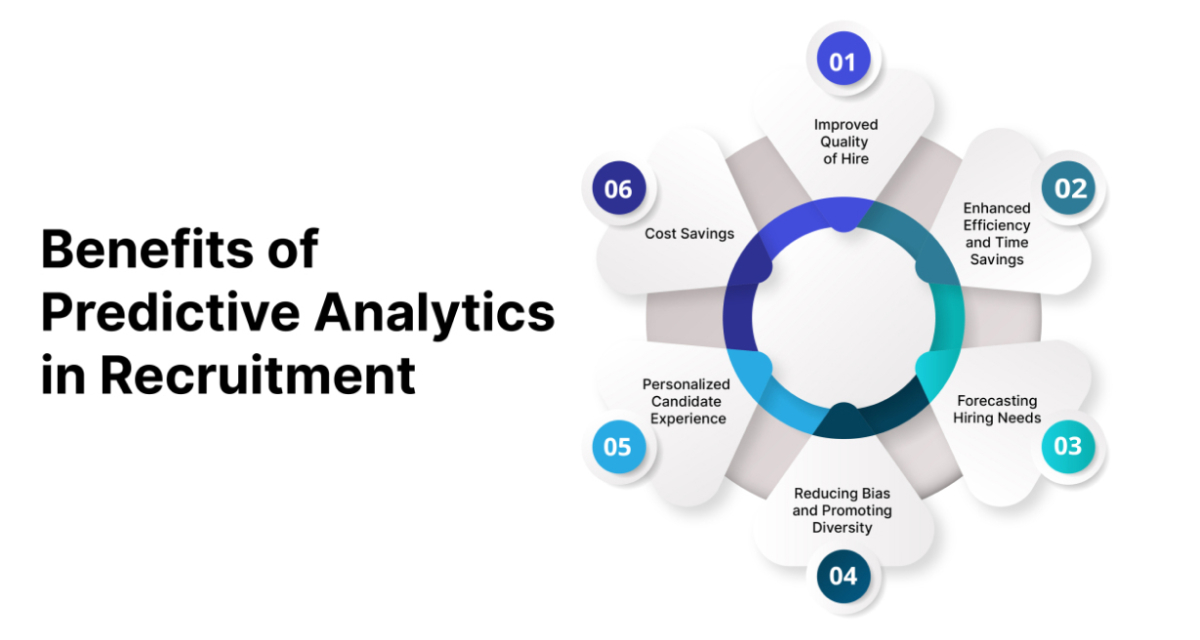
AI-powered offer acceptance prediction provides significant advantages for recruitment teams and organizations.
Higher Offer Acceptance Rates – Identify candidates most likely to accept offers
Reduced Hiring Delays – Prevent last-minute candidate dropouts
Improved Hiring Strategy – Adjust compensation or engagement early
Better Candidate Experience – Personalize communication and negotiation strategies
Optimized Recruiter Performance – Focus efforts on high-probability candidates
Instead of relying on guesswork, recruitment teams can make informed hiring decisions.
Key Insights: How AI Predicts Offer Acceptance
1. Analyzing Historical Hiring Data
AI systems analyze past hiring records to identify patterns between candidate profiles and offer acceptance behavior.
Factors analyzed may include:
-
Candidate experience level
-
Industry background
-
Previous offer outcomes
-
Compensation expectations
-
Interview feedback trends
By studying these patterns, AI models estimate acceptance probabilities for future candidates.
2. Candidate Engagement Behavior Tracking
AI evaluates how actively candidates engage during the hiring process.
Indicators may include:
-
Response time to recruiter communication
-
Interview attendance behavior
-
Interaction with job-related communication
-
Level of engagement during hiring stages
High engagement often correlates with stronger offer acceptance probability.
3. Compensation and Market Benchmark Analysis
AI systems compare candidate salary expectations with market compensation benchmarks.
If there is a large mismatch between expectations and the offered package, the system can predict a higher likelihood of offer rejection and alert recruiters in advance.
4. Interview Feedback Pattern Analysis
Hiring managers often provide qualitative feedback during interviews. AI models can analyze these insights to identify alignment between candidate expectations and company requirements.
Strong cultural and role alignment increases acceptance probability.
5. Behavioral and Decision Pattern Modeling
AI can detect behavioral patterns such as:
-
Candidates frequently negotiating multiple offers
-
Candidates actively interviewing with multiple companies
-
Candidates previously declining offers at late stages
These insights help recruiters anticipate decision behavior.
6. Continuous Learning and Model Improvement
AI recruitment models continuously learn from new hiring data. As more placements and offer decisions occur, prediction accuracy improves over time.
This creates a continuously evolving recruitment intelligence system.
How We Help
Adopting AI-driven recruitment insights requires proper data architecture and workflow alignment. We support organizations by:
-
Auditing recruitment data systems
-
Integrating AI analytics into hiring platforms
-
Designing offer acceptance prediction models
-
Implementing recruiter performance dashboards
-
Aligning hiring strategy with predictive insights
-
Optimizing candidate engagement tracking
Our objective is to transform recruitment data into actionable intelligence that improves hiring outcomes.
Conclusion
Offer acceptance is no longer a purely uncertain outcome. With AI-powered recruitment intelligence, organizations can identify acceptance risks early, adjust hiring strategies, and improve candidate conversion rates.
As hiring becomes increasingly competitive, predictive recruitment technology provides a powerful advantage. Organizations that leverage AI to anticipate candidate decisions will achieve faster hiring cycles, improved recruiter efficiency, and stronger talent acquisition outcomes.
Predictive hiring is not just the future of recruitment—it is rapidly becoming the industry standard.